
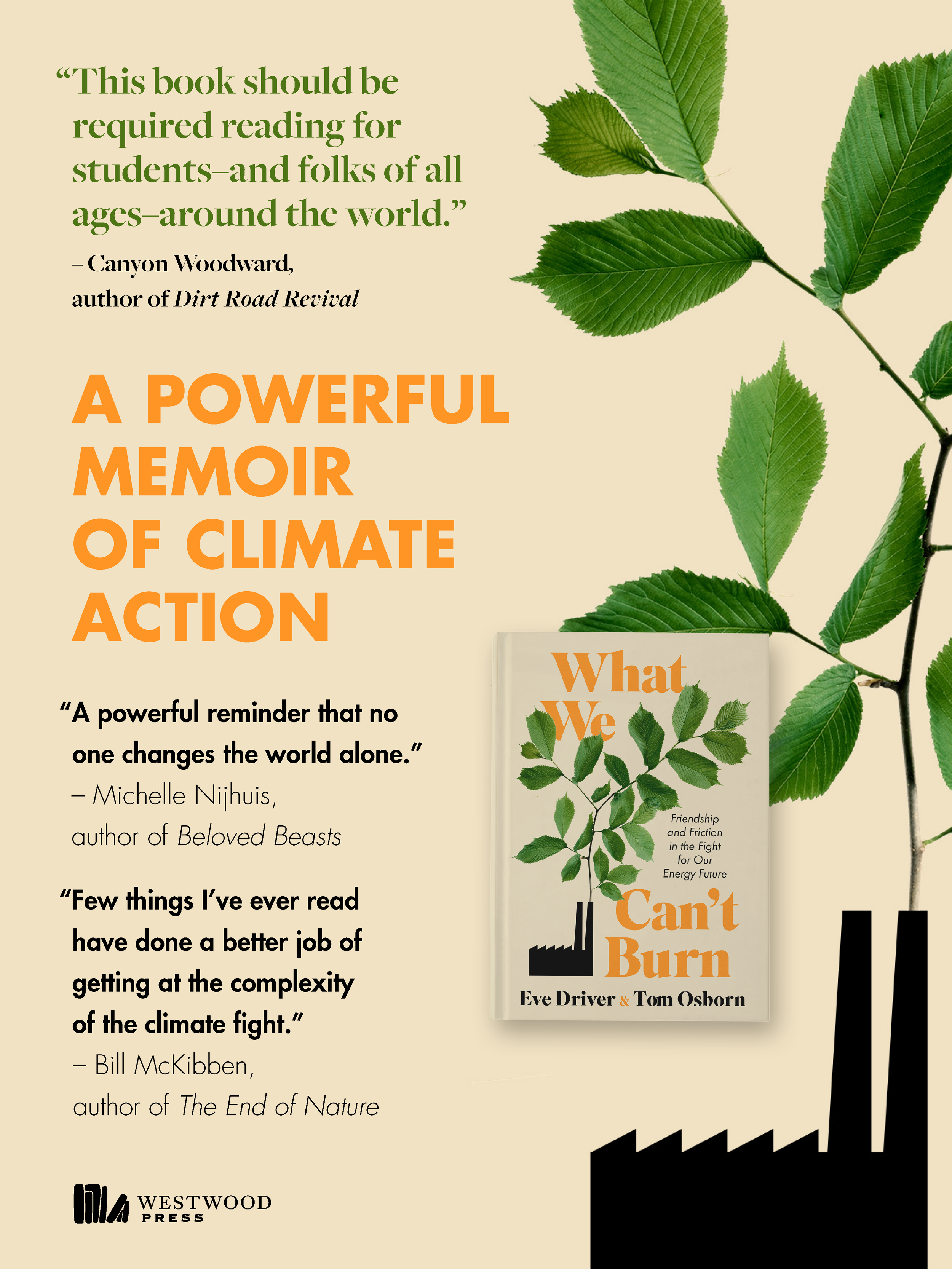
“Further Reading” from What We Can’t Burn
Excerpted from What We Can’t Burn, by Eve Driver and Tom Osborn
“This book is for all those trying to figure out how the world works while at the same time learning how it’s broken. It’s for those grappling with how to close the staggering gap between how it does work and how it should. . . . We wanted to share our experiences and offer others the book we wish we could have read.
We hope it arms readers with useful tools and ideas to make change despite the odds stacked against them—and provides insight into what activists and entrepreneurs can contribute to this wild moment in which we find ourselves. We also hope it adds some texture to the concept of environmental justice and illustrates the bumbling but powerful ways we can carry revolutionary ideas out of scholarly circles and into the world beyond. . . .
Here is a non-exhaustive list of books that inspired us along our journey.”
—Eve & Tom
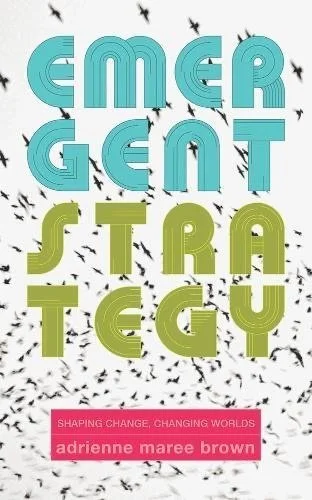
Emergent Strategy, by Adrienne Maree Brown
Brown is a thinker unlike any other we’ve read and bangs together ideas about justice and the natural world is a fresh and unique way. This book discusses change of all kinds and how we can both cause and adapt to it. It draws upon science fiction and poetry to help us understand these wild times.
Merchants of Doubt, by Naomi Oreskes & Erik M. Conway
This book reveals the history of climate change denial in the US, chronicling a campaign that was carefully orchestrated and funded by the companies who wanted to keep selling oil.
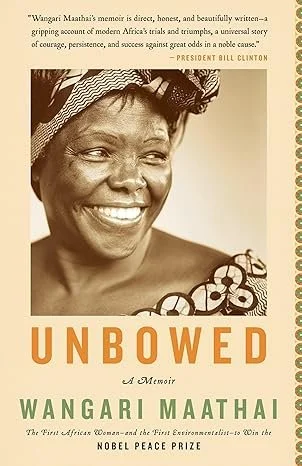
Unbowed, by Wangari Maathai
Wangari Maathai was a Noble-prize-winning Kenyan environmentalist. As the first woman from East or Central Africa to earn a PhD and the first female professor in Kenya, her memoir is both a story of courage and a book full of wisdom about taking on environmental challenges. Maathai’s priority was always planting trees.
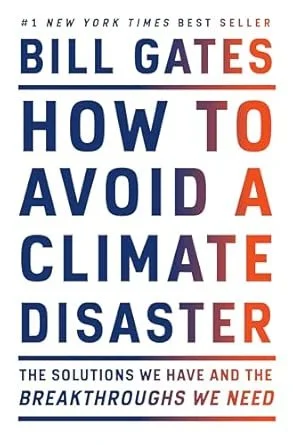
How to Avoid a Climate Disaster, by Bill Gates
Gates offers what some would call a “techno-utopian” view of climate solutions, but we feel that his push to invest in innovation is crucial. Gates offers a survey of progress toward net-zero emissions across various sectors and then explores whether lagging technology or “green premiums”—making the green options prohibitively expensive—are the biggest barriers in each case.
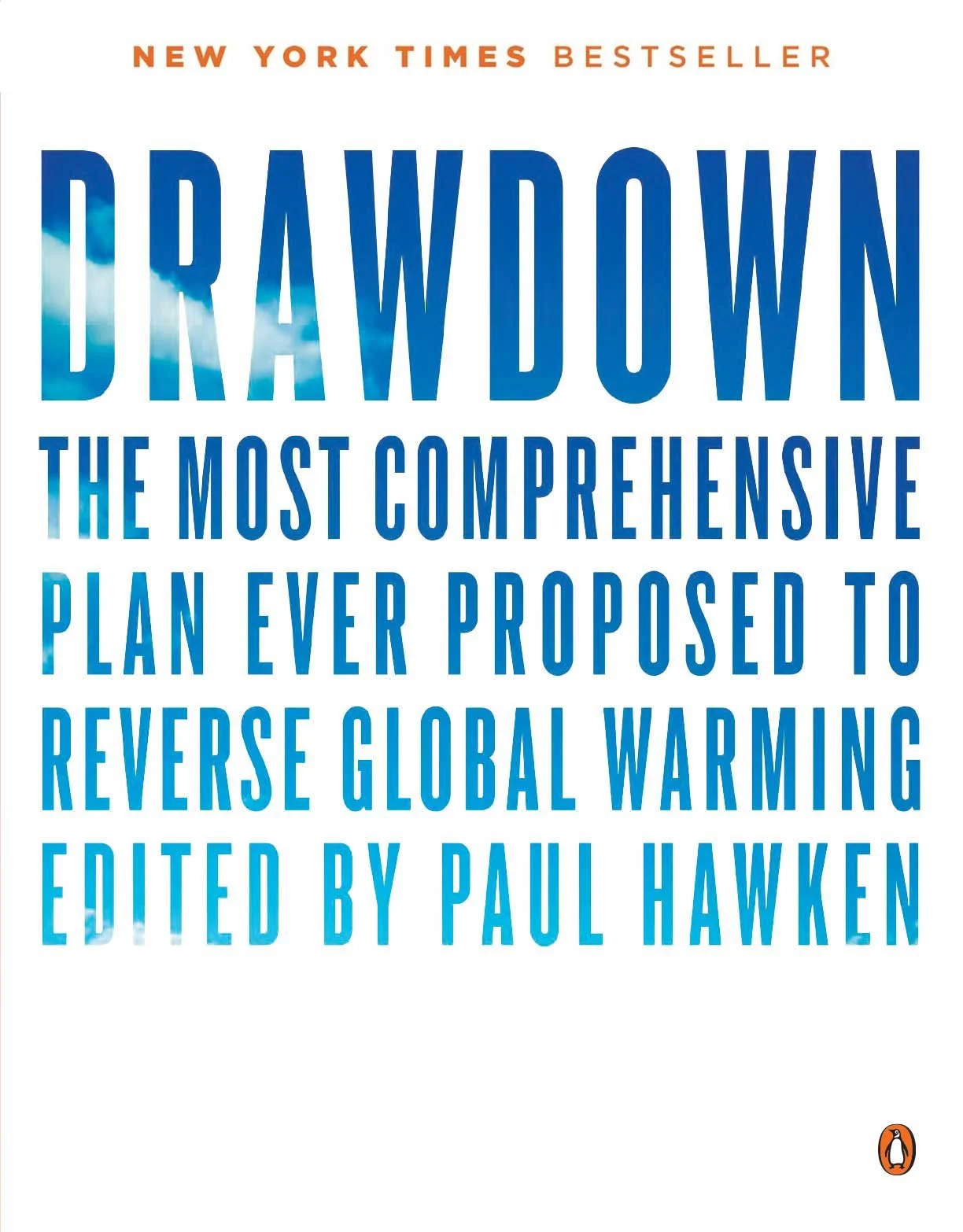
Drawdown, edited by Paul Hawken
This book lists the most promising climate solutions we have today. “Agroforestry,” a farming practice that Tom’s dad happens to use, is one of the many techniques it references. It’s important to remember that these types of solutions and practices aren’t always deployed with the goal of curbing carbon emissions; for many farmers, they offer other benefits like improving soil health or generating more income.
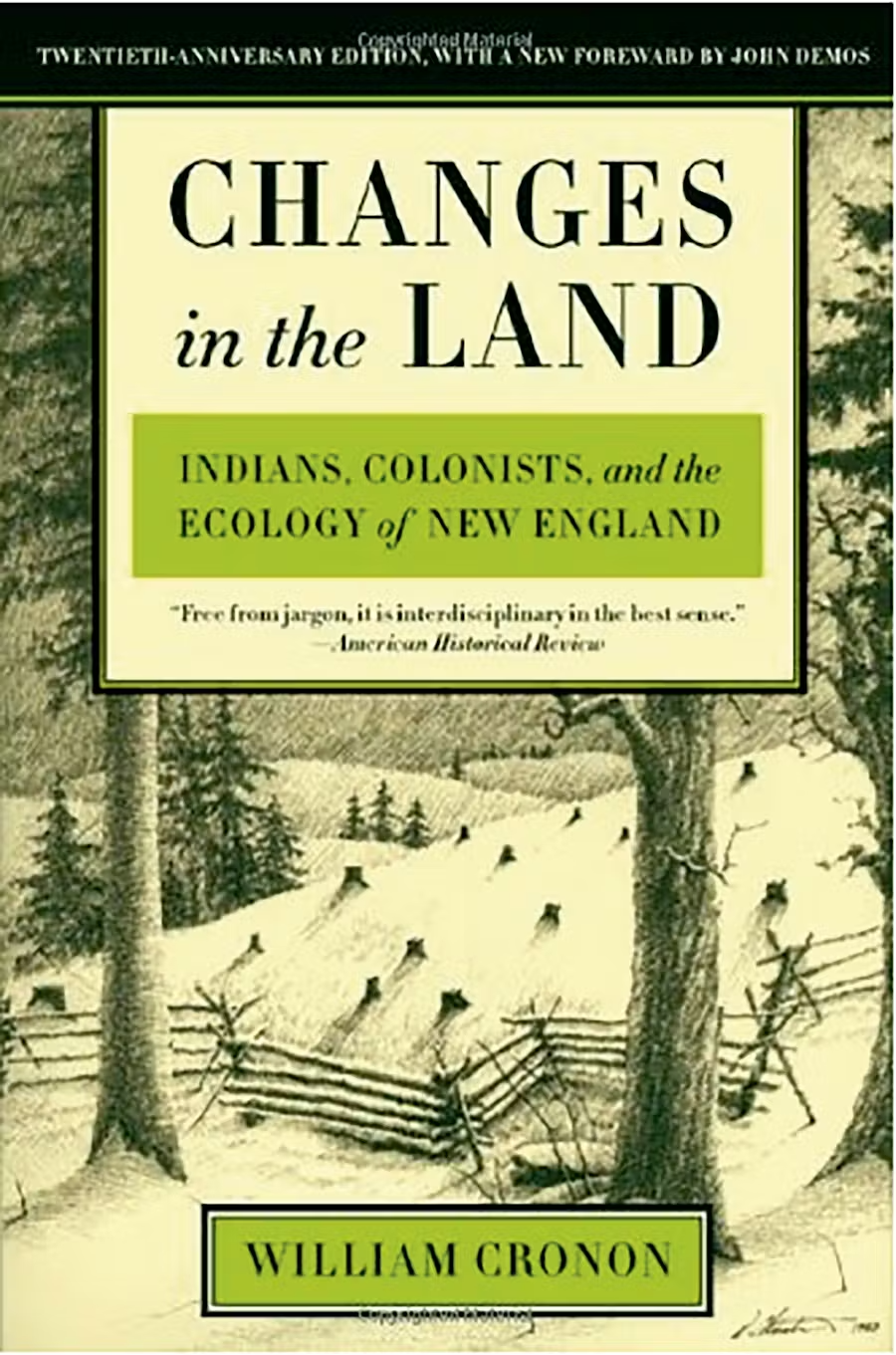
Changes in the Land, by William Cronon
This one digs into the history of settler colonialism in New England.
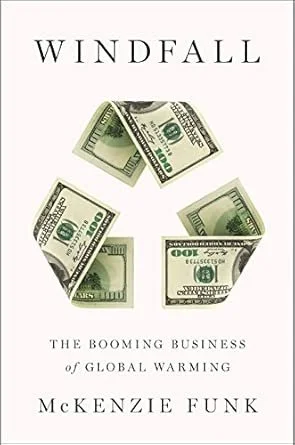
Windfall, by McKenzie Funk
Among many other things, Windfall tells the story of Shell Oil’s futurists, who, in 2008, looked ahead and envisioned the future of the oil industry in light of global warming.
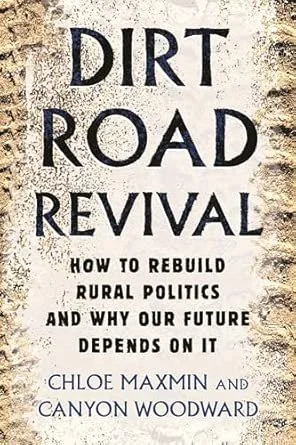
Dirt Road Revival, by Chloe Maxmin and Canyon Woodward
The two founders of Harvard’s fossil fuel divestment campaign have gone on to do both things; with Woodward as her campaign manager, Maxmin won a seat in the Main State Senate, flipping a red district and learning a lot about building long-lasting progressive movements that genuinely resonate with rural communities. This book is an inspiring yet practical guide for applying community organizing to political campaigns in ways that translate into legislation.
Sweetness and Power, by Sidney W. Mintz
This book tells the story of sugar. There may be no other story that so clearly illustrates the relationship between colonialism, capitalism, food, and the environment. A possible exception may be Amitav Ghosh’s The Nutmeg’s Curse: Parables for a Planet in Crisis.
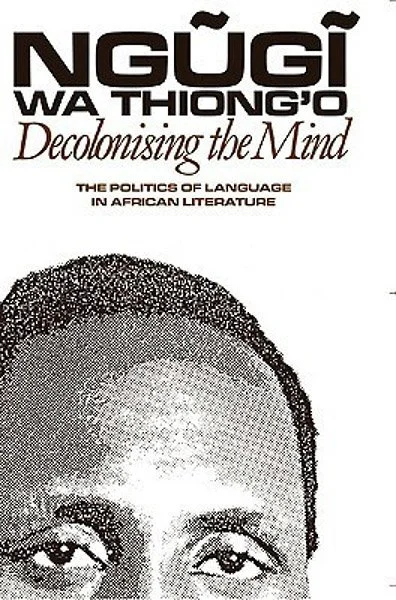
Decolonising the Mind, by Ngũgĩ Wa Thiong’o
This book informed how we wrote and structured What We Can’t Burn. It’s about what anti-imperialism means today and the ways language has been a tool of colonization. We wrote this book in English, but this is Eve’s first language and Tom’s second—creating a fundamental imbalance in the authenticity with which we were able to express ourselves. We made this choice so as to reach the widest possible audience, but this comes with notable pitfalls.
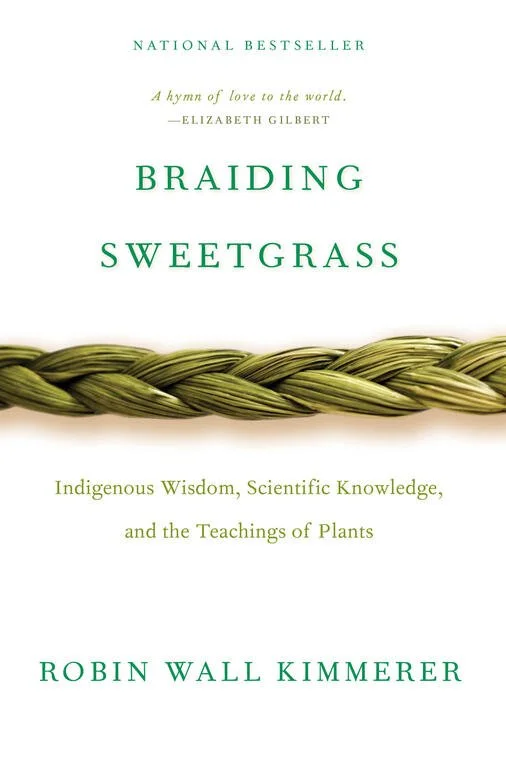
Braiding Sweetgrass, by Robin Wall Kimmerer
This book is a gorgeous tribute to the land to which Kimmerer is Indigenous, and a powerful call to rekindle our relationships with whatever land we now inhabit. Gratitude, more than anything else, will help us avert ecological catastrophe. Kimmerer suggests gratitude, community, and hope.