
Sustainable Spirits to Sip on this Earth Day
Selections from Spirits Distilled, by Nat Harry
“Like the terms ‘green’ or ‘natural,’ ‘sustainable’ has become a somewhat diluted buzzword within the spirits industry. In the late 1980s, the UN defined sustainability as ‘meeting the needs of the present without compromising the ability of future generations to meet their own needs.’
A spirits producer that strives to be sustainable in the true sense of the word should honor the environment, embrace transparency around the ingredients used, support the people making the product, and respect the intellectual property rights of the people who have historically made the spirit and continue to preserve cultural ties to the plant and its growth, harvest, and/or processing.
For our purposes, truly sustainable spirit producers should demonstrate the following:
Respect for the natural ecosystem, including practicing responsible farming, preserving wildlife and local plant life engaging in proper wastewater disposal, and committing to biodiversity;
Respect for cultural ties and traditional production methods (when applicable); and
Respect for human rights by assuring safe labor conditions both in the field and in production facilities, paying livable wages to workers, and upholding fair pricing and contracts for both raw ingredients and finished products.
At the end of the day, it’s not about passing judgement; it’s about encouraging transparency, empowering consumers, and, most importantly, closing the gap between (and growing an appreciation for) the raw ingredient and final product. I hope Spirits Distilled is a seed that reinforces your connection with the earth and with people via the deep history of distilled spirits, starting from the ground up.”
—Nat
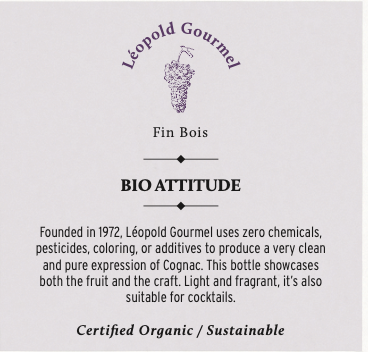
Bio Attitude Cognac from Léopold Gourmel
Founded in 1972, Léopold Gourmel uses zero chemicals, pesticides, coloring, or additives to produce a very clean and pure expression of Cognac. This bottle showcases both the fruit and the craft. Light and fragrant, it’s also suitable for cocktails.
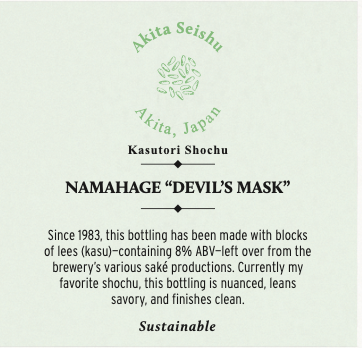
Namahage ‘Devil’s Mask’ Kasutori Shochu from Akita Seishu
Since 1983, this bottling has been made with blocks of lees (kasu)—containing 8% ABV—left over from the brewery’s various saké productions. Currently my favorite shochu, this bottling is nuanced, leans savory, and finishes clean.
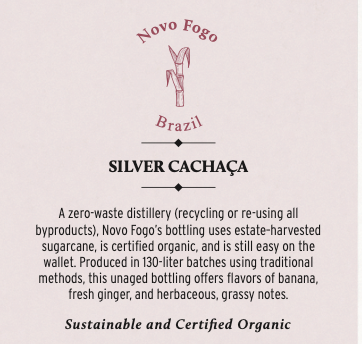
Silver Cachaça from Novo Fogo
A zero-waste distillery (recycling or reusing all byproducts), Novo Fogo’s bottling uses estate-harvested sugarcane, is certified organic, and is still easy on the wallet. Produced in 130-liter batches using traditional methods, this unaged bottling offers flavors of banana, fresh ginger, and herbaceous, grassy notes.
Quebranta Pisco from Capurro Pisco
Capurro’s single-varietal expressions were some of the first Piscos I pulled into my bar program. Handpicked grapes are macerated for 12–24 hours and then pressed once. Fermentation occurs in open-air tanks using natural yeasts, which can take 2–4 weeks. The spirit then rests for a minimum of a year.
Cupreata Mezcal from Mezcal Amarás
Founded in 2010 with a focus on sustainable farming practices, including reforestation, this distiller has planted over 150,000 agaves grown from seed. The Cupreata is fresh but funky—light on the smoke profile and heavy on jalapeño.
Grappa di Nebbiolo from Castello di Verduno
Produced in the Piedmont region of northern Italy, this single varietal bottle is an excellent place to start in the world of Grappa. Using artisanal, small batch production, Castello di Verduno ensures their pomace is used within 36 hours after press, giving the spirit lots of grip and a bold, fruit-forward character.
Wheat and Pomegranate Vodka from Greenbar Distillery
A leader in the American organic spirits movement since 2004, Greenbar focuses on sustainable practices, like using lightweight, glass bottles. Their vodka is made with wheat and California-grown pomegranate, and crafted to showcase exceptional texture and body. Made without added sugars or additives.
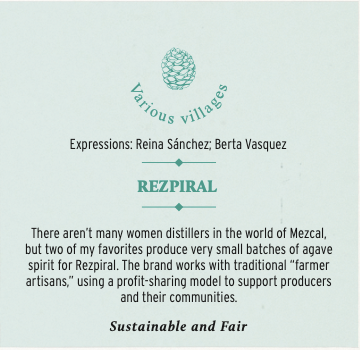
Mezcals from Rezpiral
There aren’y many women distillers in the world of Mezcal, but two of my favorites produce very small batches of agave spirit for Rezpiral. The brand works with traditional “farmer artisans,” using a profit-sharing model to support producers and their communities. Two of my favorite expressions of theirs are from farmer artisans Reina Sanchez and Berta Vasquez.
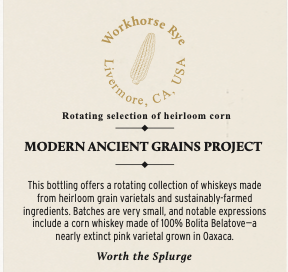
Modern Ancient Grains Project Whiskey from Workhorse Rye
This bottling offers a rotating collection of whiskeys made from heirloom grain varietals and sustainably-farmed ingredients. Batches are very small, and notable expressions include a corn whiskey made of 100% Bolita Belatove—a nearly extinct pink varietal grown in Oaxaca, Mexico.